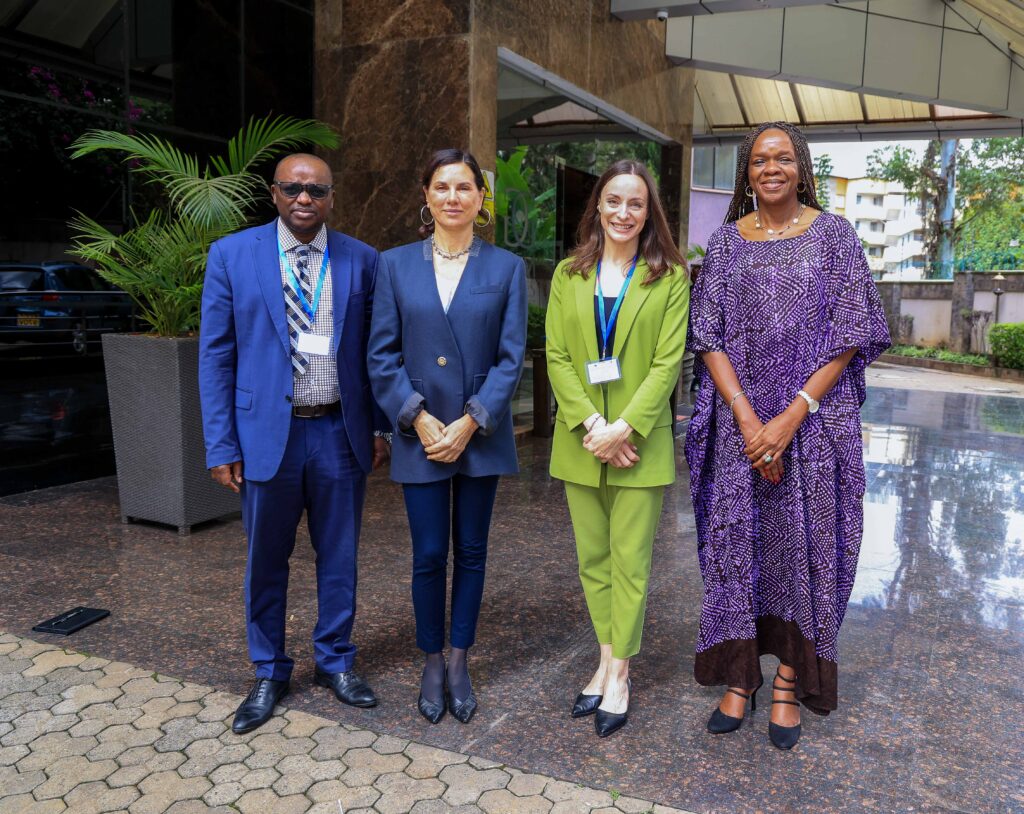
“Children on the move are a stress test for the whole system. If we get it right for them, we get it right for everyone. In Africa, we have the answers for the continent.”
– Alison Parker, UNICEF Deputy Regional Director for Eastern and
Southern Africa
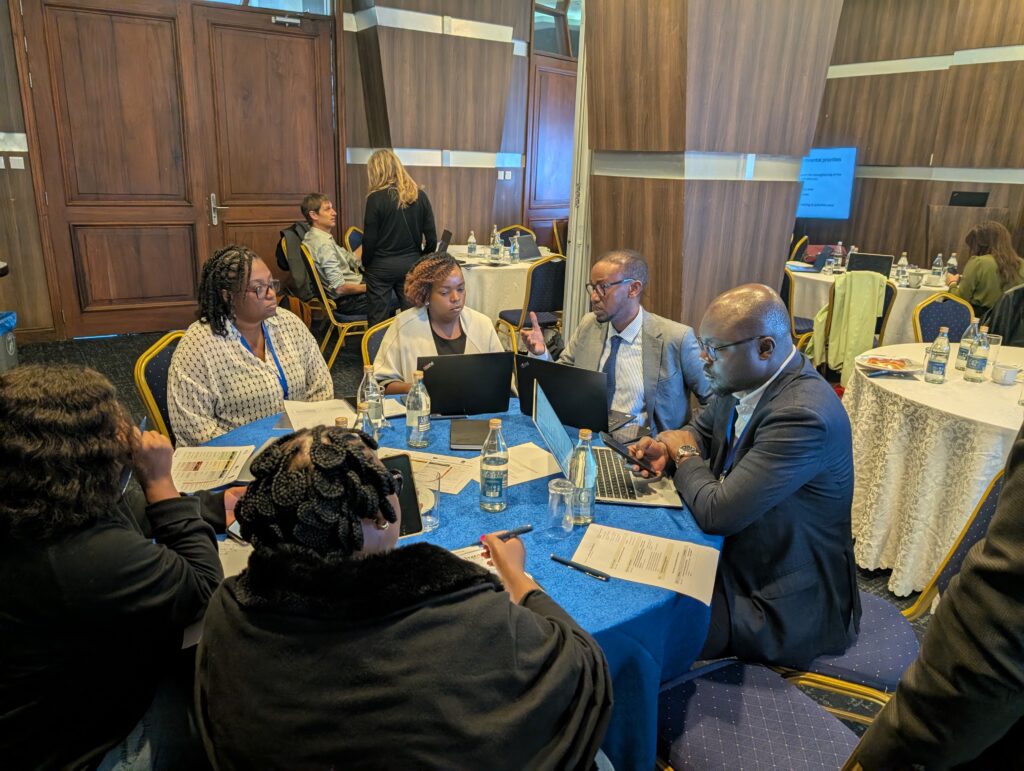
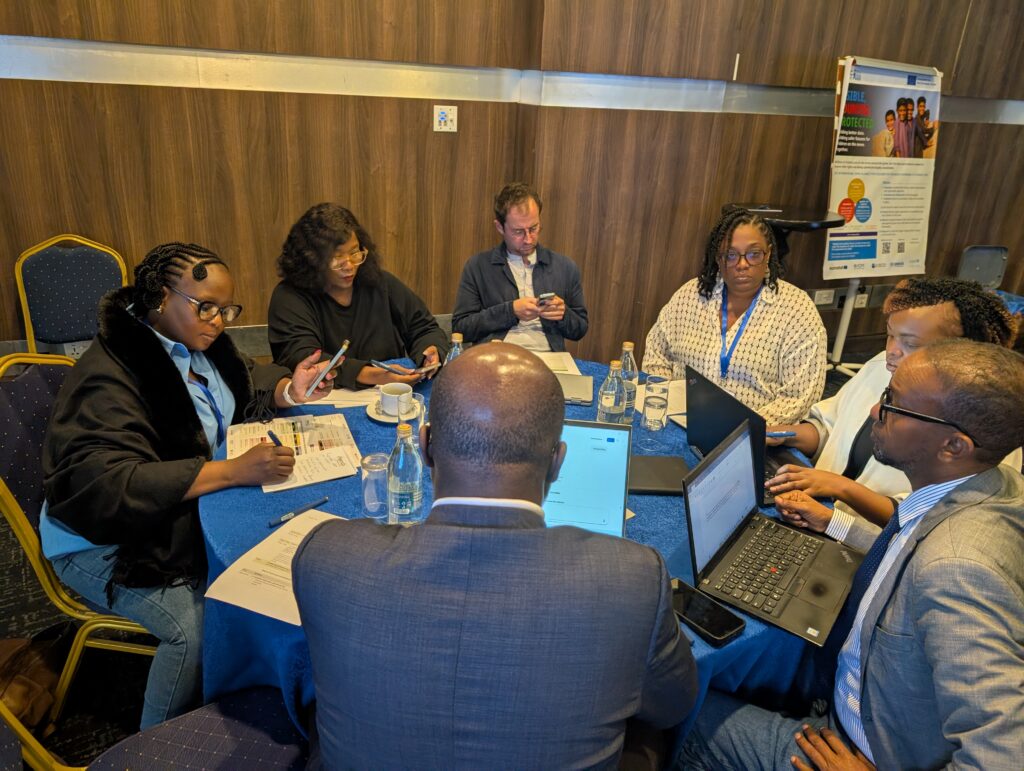
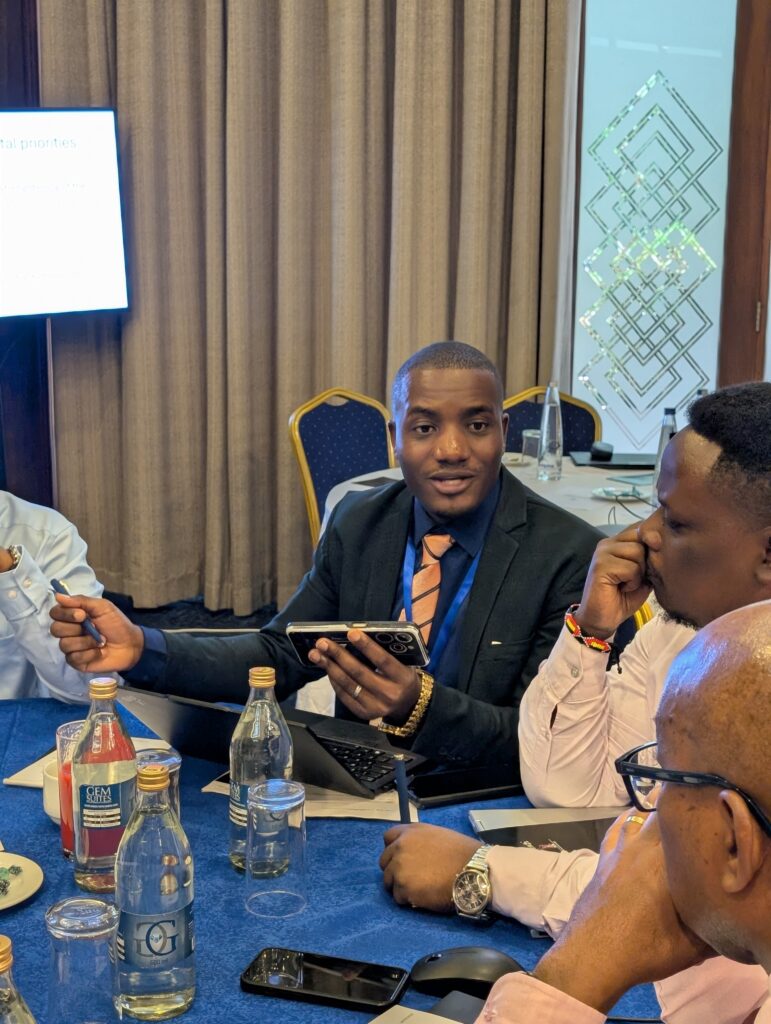
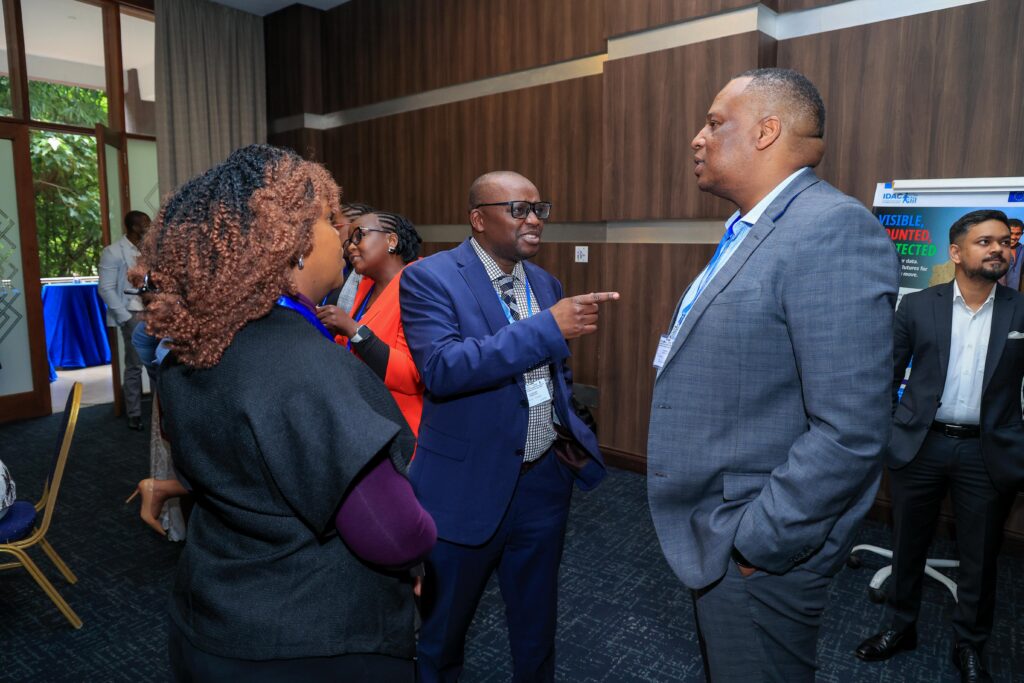
These powerful words from Alison Parker, UNICEF’s Deputy Regional Director for Eastern and Southern Africa, set the stage for the second installment of IDAC’s regional workshop series, held 12–14 May 2026 in Nairobi.
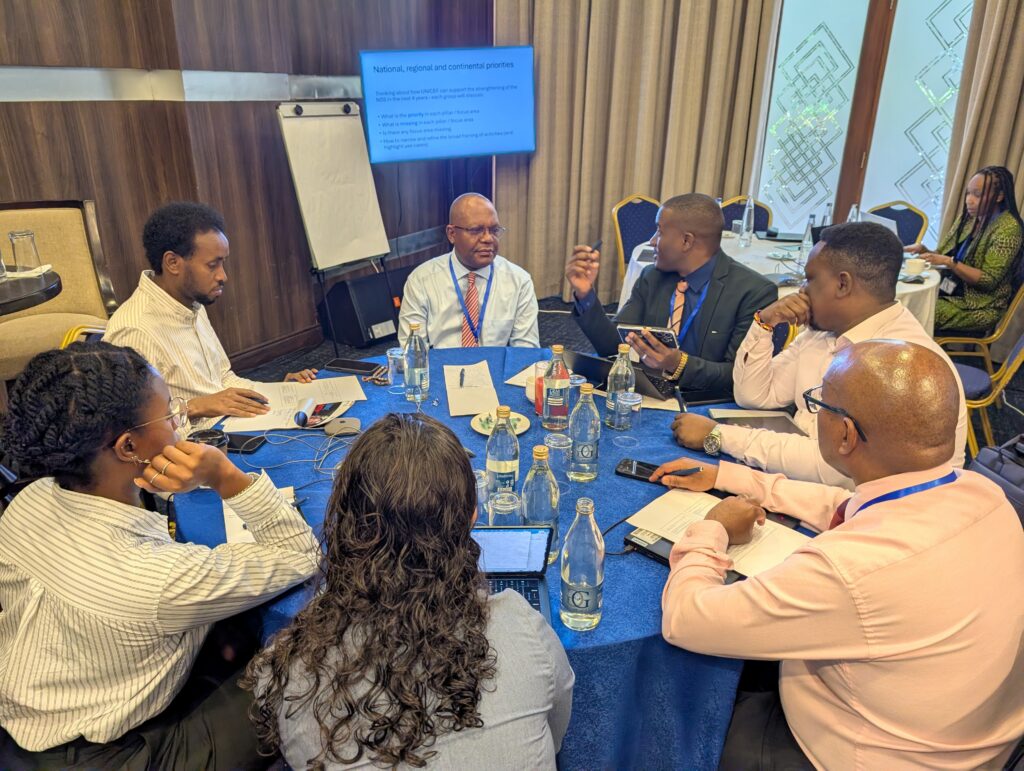
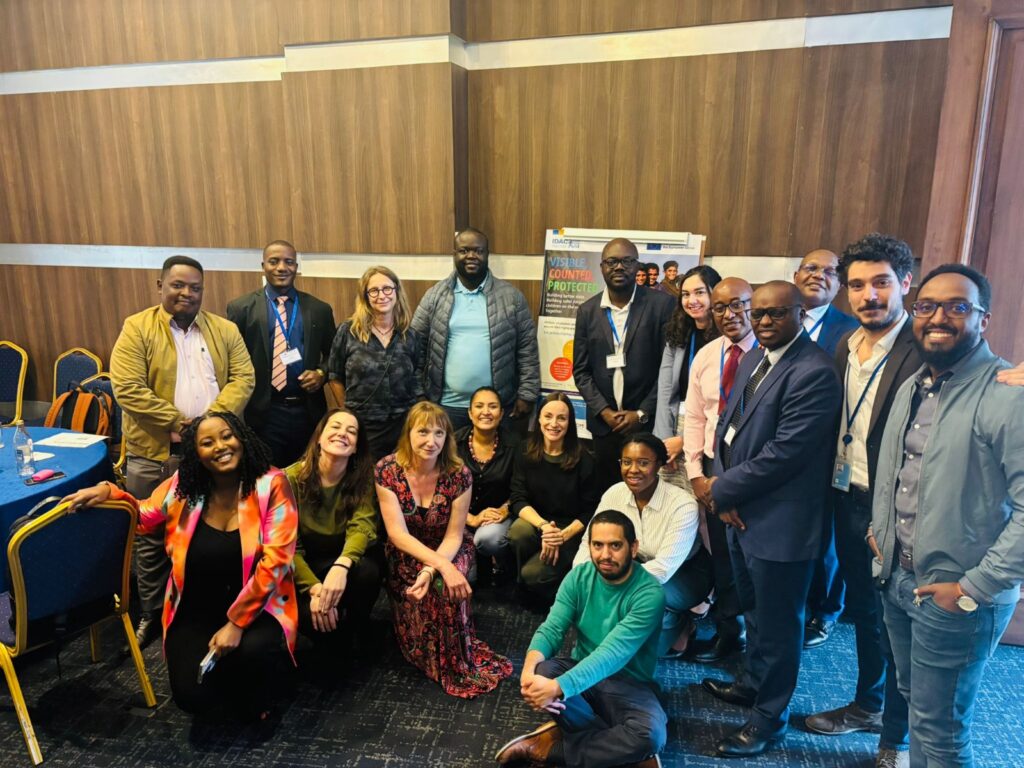
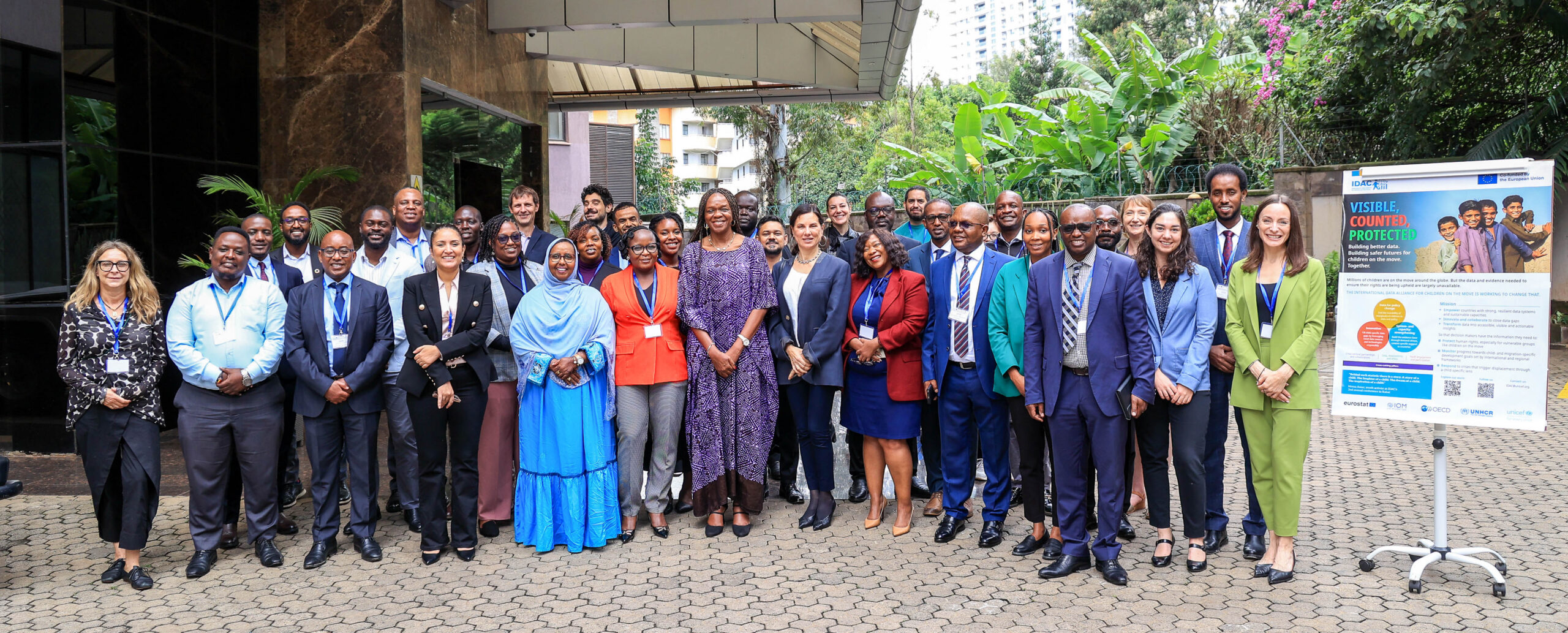
The 2.5-day workshop, co-organized with STATAFRIC, convened 36 participants from eight countries in Eastern and Southern Africa — Djibouti, Kenya, Malawi, Seychelles, Somalia, South Africa, Uganda and Zambia — along with representatives from UN agencies, regional organizations and youth networks. Together, they addressed critical data and evidence gaps affecting children on the move across the region and continent.
The Africa context
Africa is home to an estimated 4.9 million refugee children and nearly half of all internally displaced children worldwide. In this context, generating data on the specific numbers, needs, and experiences of children on the move is critical for informing programs and policies for their protection and support. Yet data on who they are, where they are and what they need remain limited.
The Nairobi workshop highlighted promising practices already underway to harmonize data across the continent. STATAFRIC’s Guidelines on Migration Statistics provide a harmonized framework to support African Union Member States to produce reliable, comparable and actionable migration data. And the Intergovernmental Authority on Development (IGAD)’s Technical Working Group on Migration Data holds regular meetings and workshops to facilitate data collaboration and sharing across IGAD countries.
In addition to diving into these critical regional and continental frameworks, interactive sessions featuring IDAC resources – such as IDAC’s terminology and indicator guidelines, its report on communicating about migration statistics and an upcoming publication on innovative technologies – allowed participants to explore how these global frameworks can be translated to action in their own regional and country contexts.
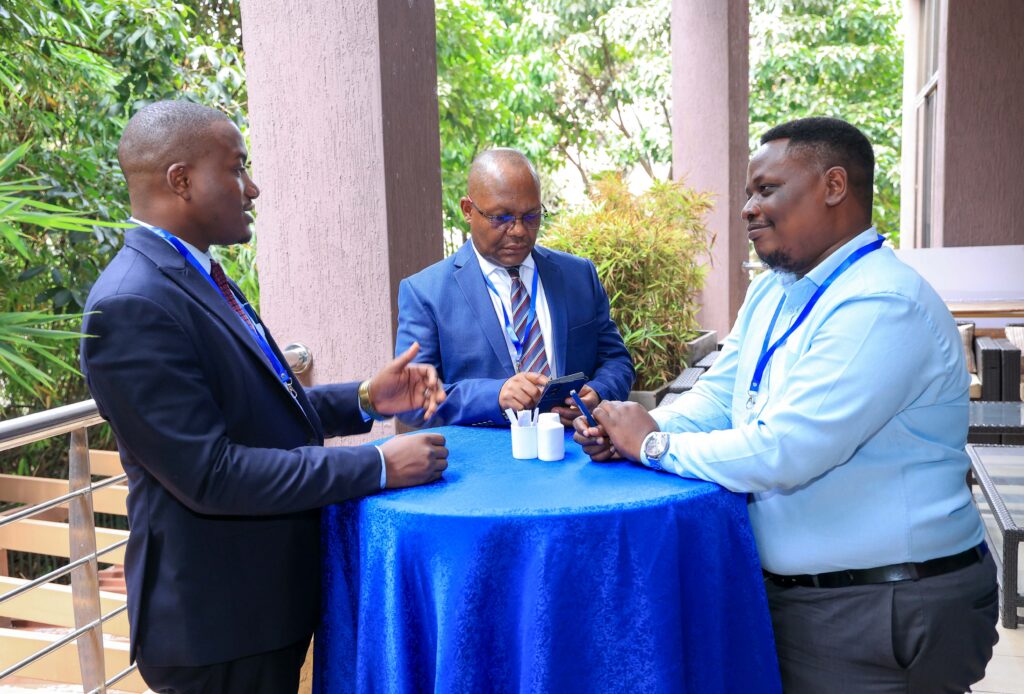
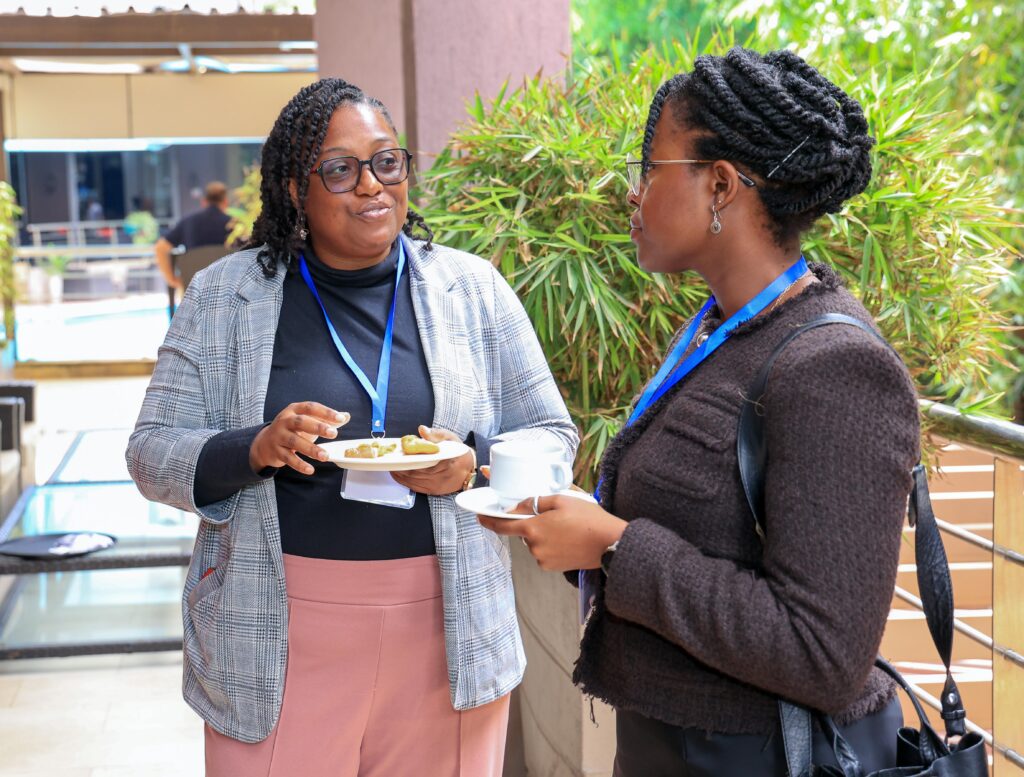
Peer-to-peer reflection and exchange
Rooted in experiences on the ground, the workshop created space for countries to examine the strengths and weaknesses of their own data ecosystems while learning from one another’s experiences. Country exchanges demonstrated that important progress is already underway across the region:
- Uganda systematically includes education data on refugee children in its national Education Management Information System, which informs planning and resource allocation
- Kenya conducted the National Census of Street Families, which includes data on highly vulnerable children on the move
- Somalia produces an annual migration and displacement report with age-disaggregated data
- Zambia, Somalia and South Africa have integrated migration modules into their censuses
- Kenya and Somalia have set up technical working groups on migration and displacement data
While they celebrated wins, participants also cited structural barriers – such as fragmented data systems, lack of funding and legal barriers to data sharing – as common roadblocks to generating data on vulnerable groups, including unaccompanied and separated children and those in irregular situations.
What participants say
“I greatly appreciate this workshop on data for children and aspects covered, which are sometimes overlooked by many players.”
– IDAC workshop participant
IDAC’s country-led approach was largely endorsed by participants in Nairobi, with all reporting improved knowledge of on the move and their associated data needs, and every respondent highlighting the value of learning from other countries’ experiences.
The post-workshop survey captured the workshop’s success:
- 100% of participants reported improvements in knowledge of children on the move and the associated data requirements
- 90% of participants reported improvements in technical skills in collecting and producing data on children on the move
- 95% of participants reported that the content presented during the workshop was useful for their work
- 100% of participants reported that it is useful to engage in discussions and learn from other countries’ experiences.
“These sessions broadened my understanding of children on the move (definitions, country experiences, challenges) and how to better capture and communicate this data.”
– IDAC workshop participant
Defining solutions and next steps
A defining strength of IDAC’s in-person regional workshop model is its emphasis on peer-to-peer learning. By bringing together African countries from diverse contexts, the Nairobi event provided a space for participants to exchange experiences, learn from one another and develop practical solutions to shared data challenges.
Nairobi: Country-defined priority areas for action
🤝 Reduced silos
Strengthen coordination, data sharing and interoperability across institutions.
⚖️ Enhanced legal frameworks
Improve legal frameworks and data-sharing protocols to support ethical, child-sensitive data.
👧 Improved visibility of children in existing systems
Better integrate children and migration into national statistical and data systems.
📊 Greater investment
Secure sustained investment in national statistical capacity.
🌍 Regional collaboration
Leverage regional and continental partnerships and coordination.
Throughout the workshop, countries led discussions by sharing their experiences, challenges and solutions. The final session brought those insights together, asking participants to identify where IDAC can best support national efforts going forward.
Looking ahead: IDAC’s to-do list
🛠️ Capacity strengthening
Practical tools, training and implementation support across data ecosystems.
📣 Strategic communication & advocacy
Support to translate data into policy, strengthen advocacy and mobilize resources.
🤝 Partnerships & coordination
Convening partners, strengthening regional collaboration and accelerating implementation.
Together, these priorities will help shape IDAC’s regional support in Africa and beyond as the partnership continues to work from the ground up to make children on the move visible in data and decision-making.
Next stops for IDAC’s regional technical workshops: Asia and North Africa!