How can countries produce better evidence to inform policies on children on the move when data are fragmented across ministries? How can national statistical offices, migration authorities, and child protection agencies work together to produce reliable, child-specific statistics? And how can global guidelines be applied in practice to make children on the move visible in national data in order to shape policy?
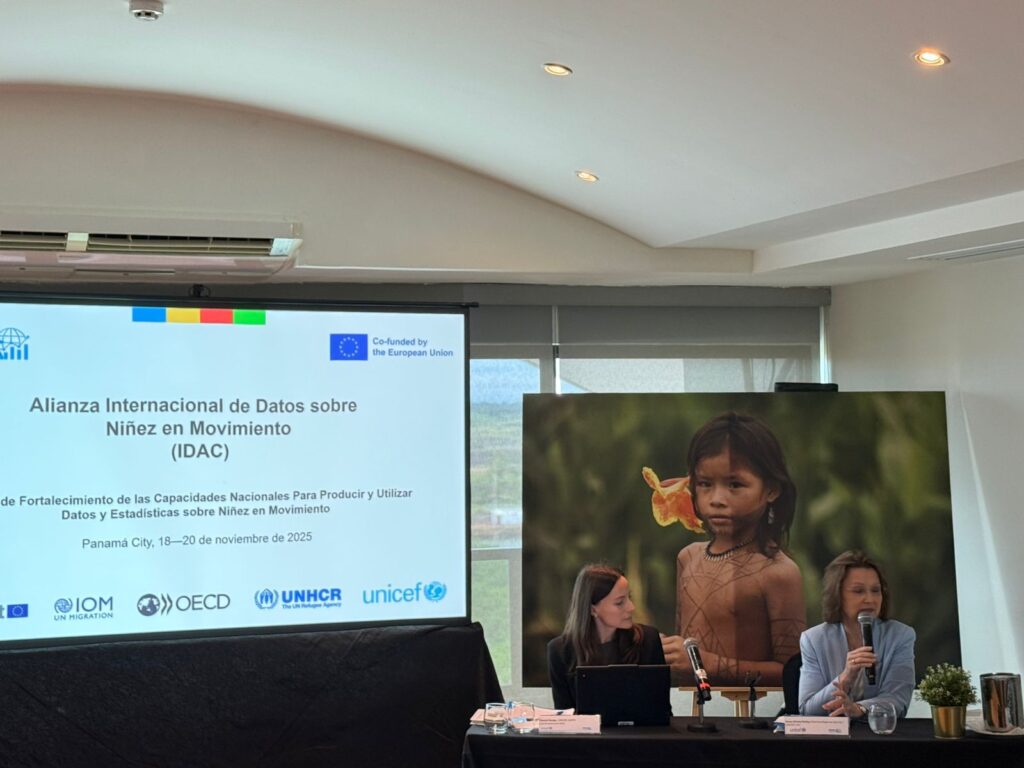
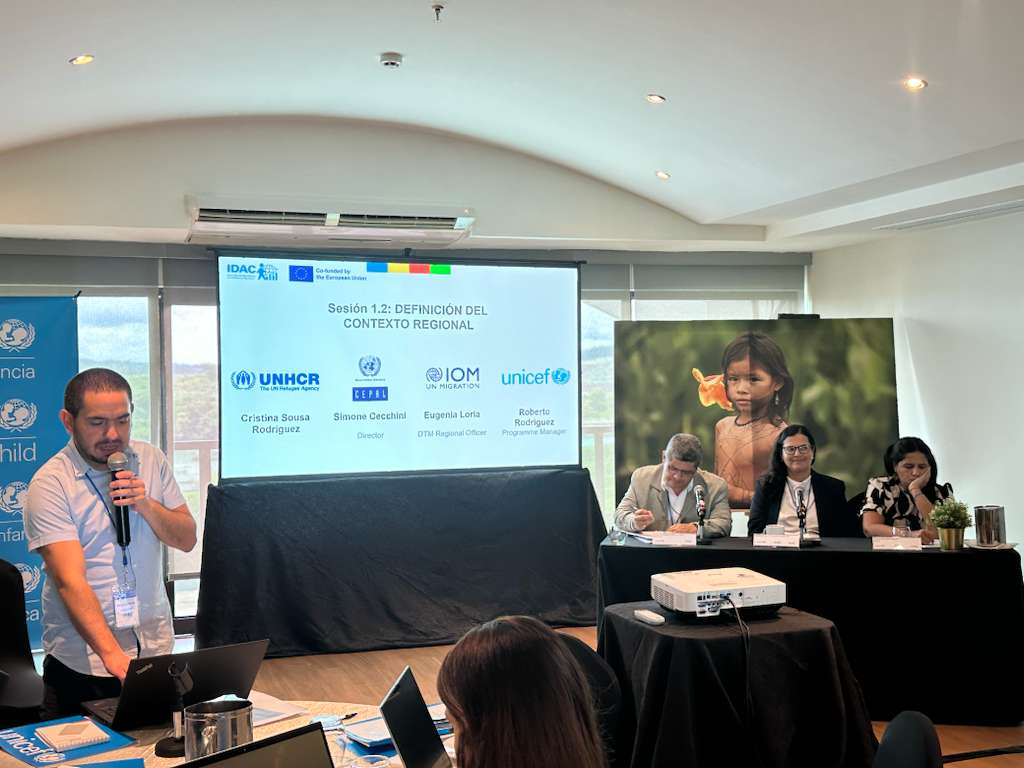
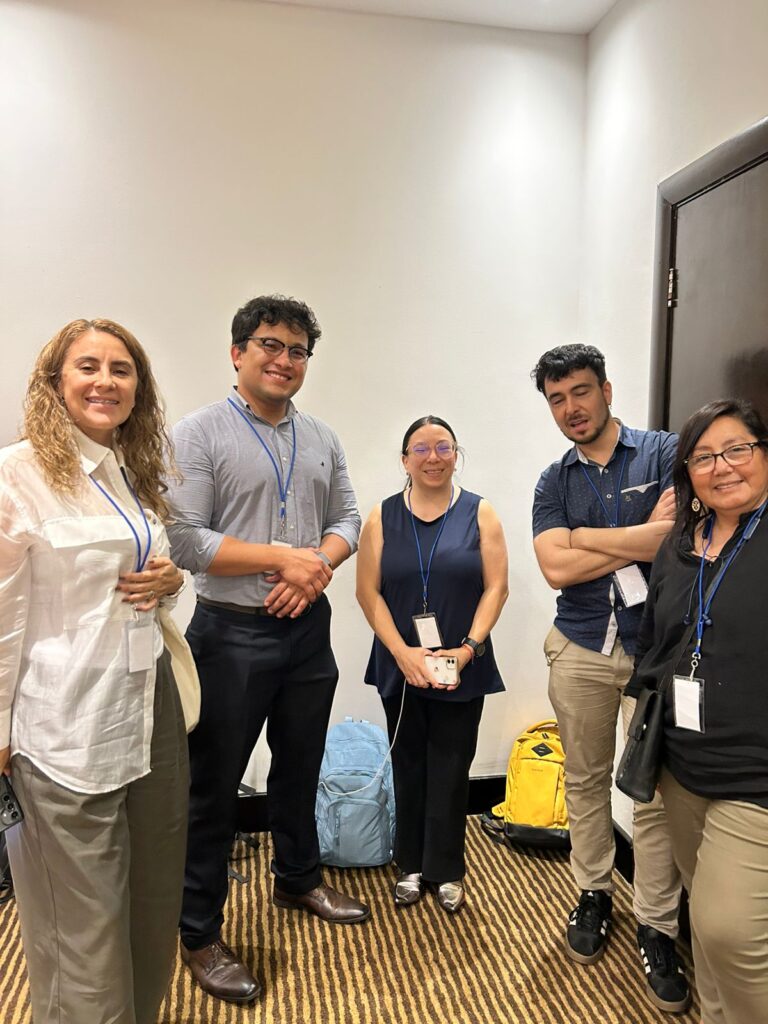
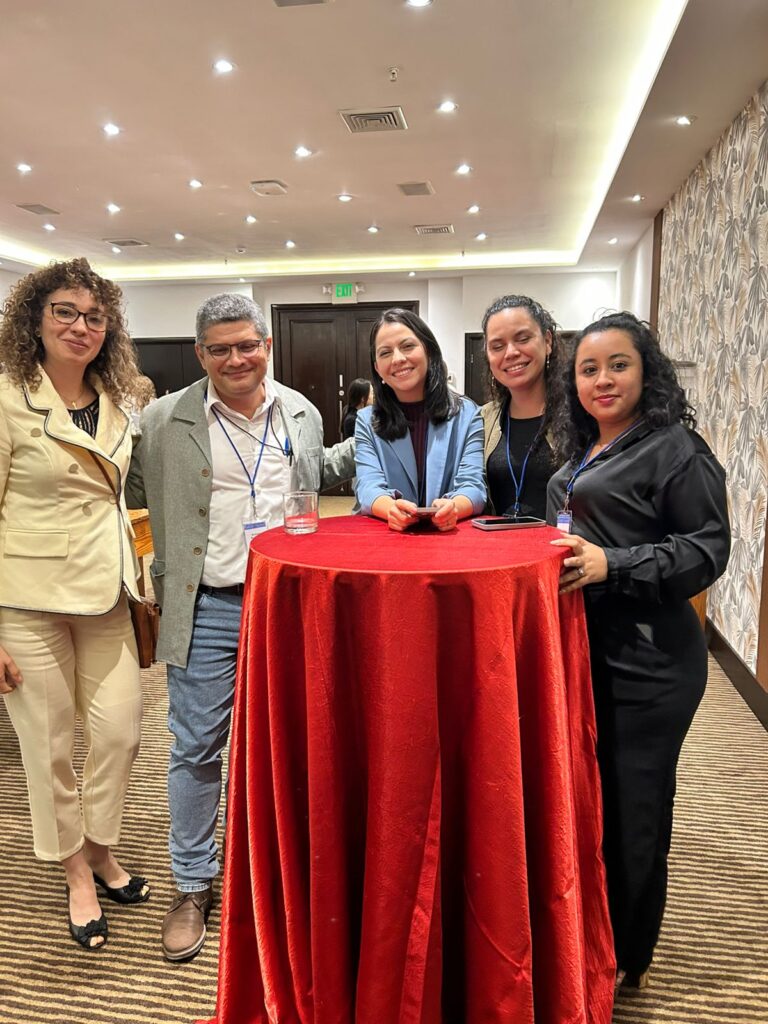
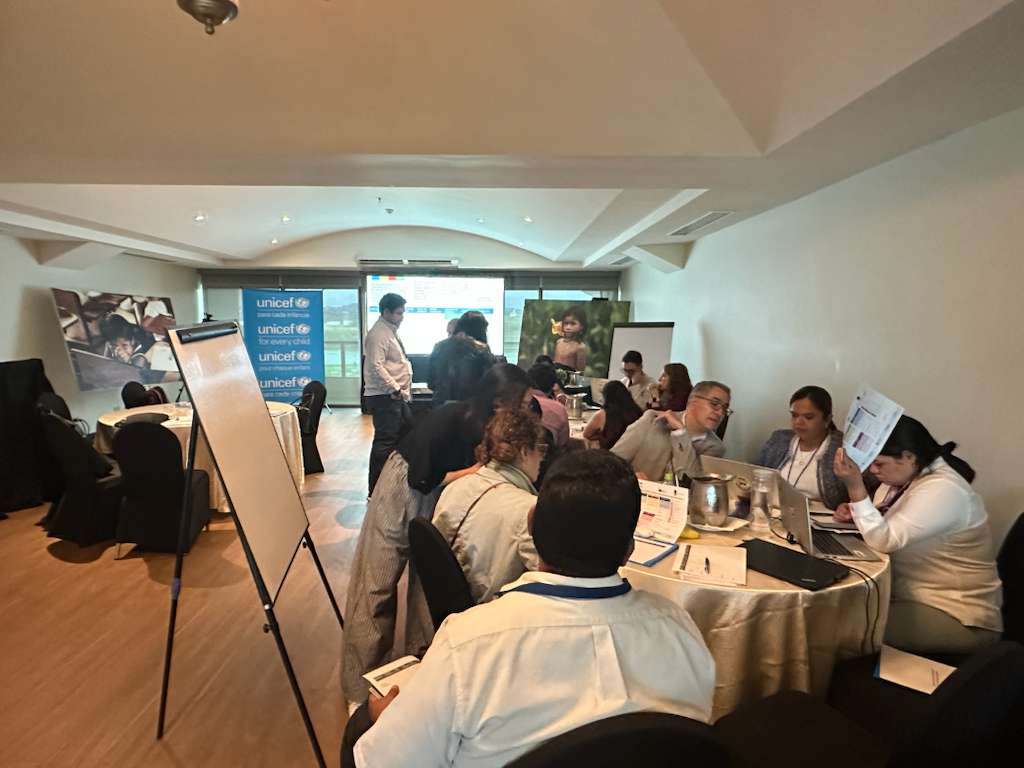
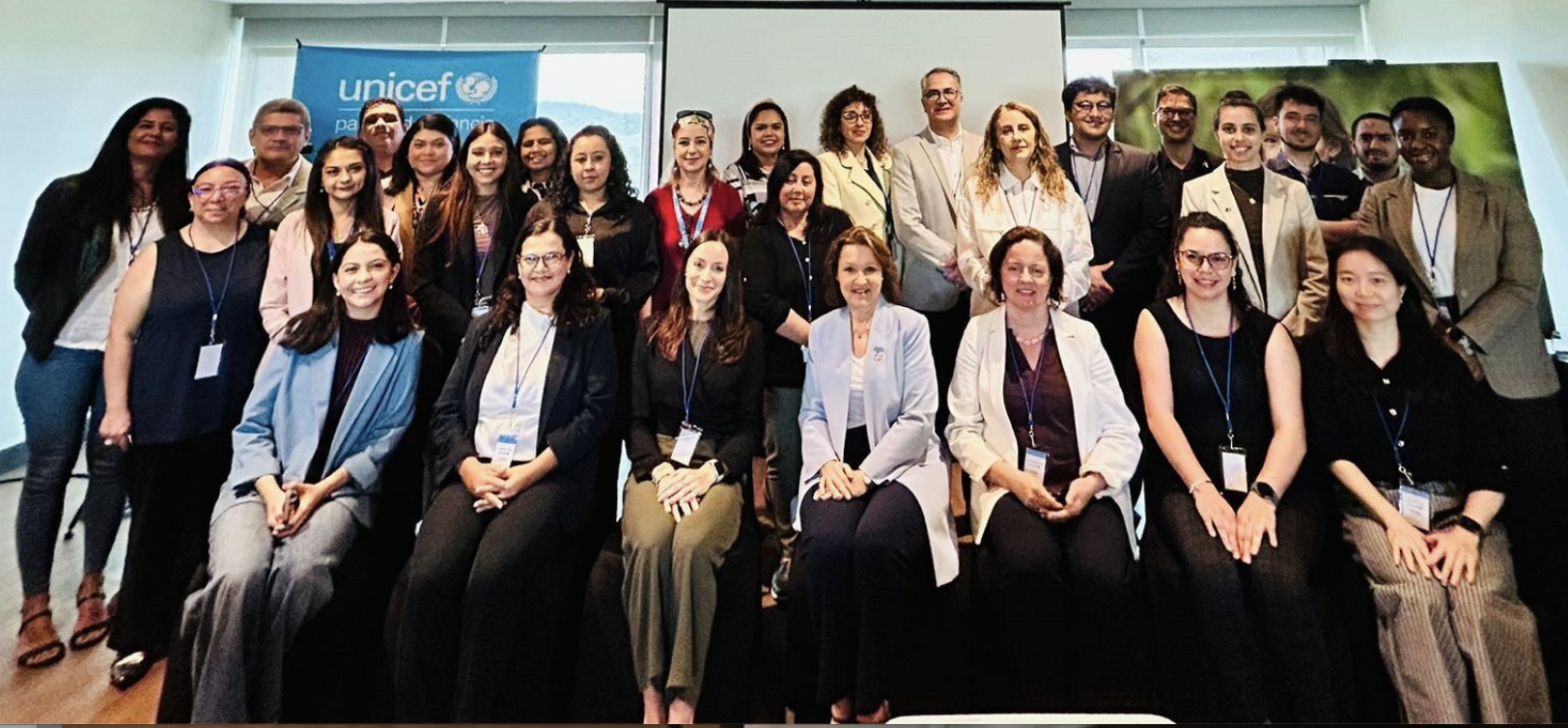
These questions framed the first workshop in IDAC’s new regional workshop series, which kicked off in Panama City in November 2025. Nineteen representatives from six Latin American countries – Chile, Colombia, El Salvador, Honduras, Mexico and Panama – joined forces to assess their national data ecosystems and strengthen capacities to produce and use statistics on children on the move in Latin America, supported by the IDAC Secretariat and regional and country colleagues from ECLAC, IOM, UNHCR and UNICEF. The small group size created space for meaningful, open and highly interactive peer-to-peer exchange.
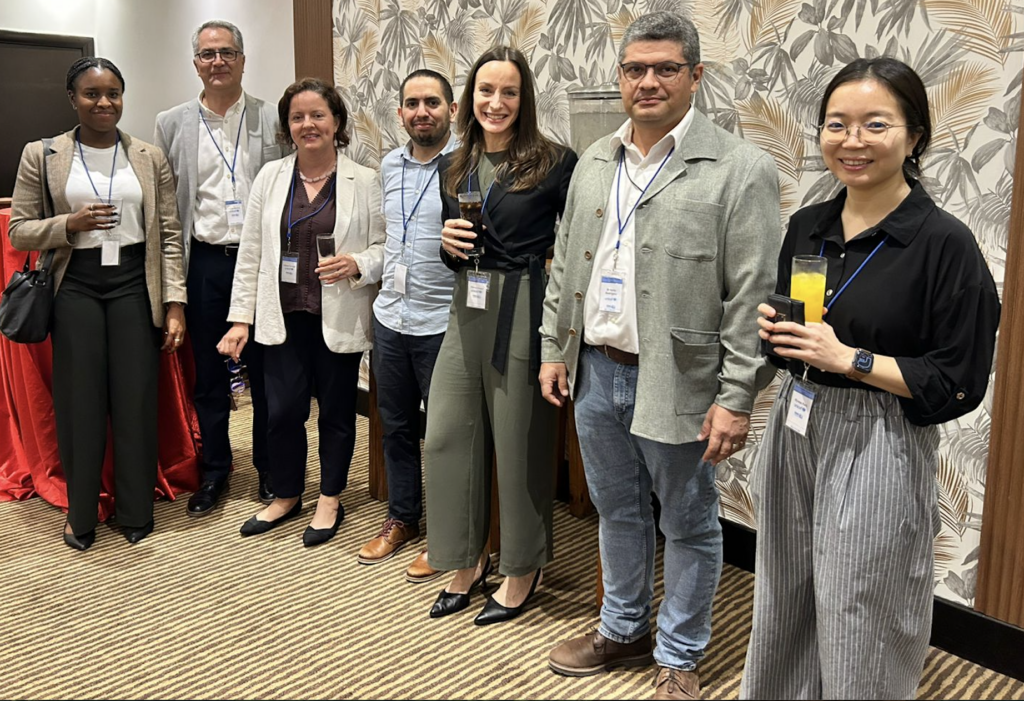
The technical workshop marked an important step towards the creation of a regional community of practice that can be leveraged to exchange good practices and work cooperatively to better understand children’s movement both within countries and across shared borders.
Participant quotes in this article are drawn from a post-workshop survey.
Assessing national data ecosystems
Participants noted that different offices involved in migration and data collection often maintain separate datasets. For example, NSOs typically focus on national population censuses and household surveys, while interior ministries hold data on entries and exits and education ministries have data on enrollment of children on the move. This results in multiple available datasets that remain unlinked – and diminishes a comprehensive understanding of the situation of children on the move.
To address this challenge, participants conducted a rapid assessment of their national data systems ahead of the workshop, identifying gaps and opportunities to improve data and statistics on migrant and displaced children.
“We need systems that allow the flow of information between institutions. Without interoperability, we cannot see the full picture of children on the move.”
The workshop emphasized that sustainable data systems rely not only on technical capacity but also on appropriate normative frameworks that allow for active data sharing and use by ministries responsible for protection and services.
Applying child-specific indicators
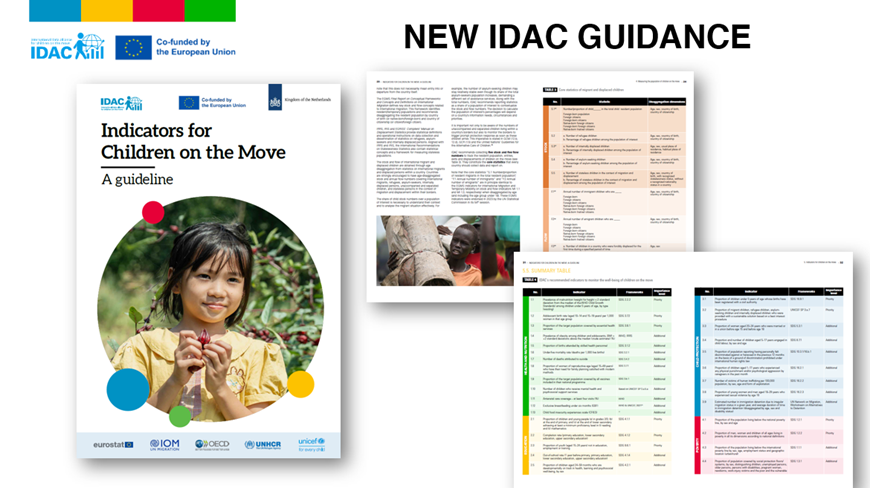
Sessions by the IDAC Secretariat clarified key concepts and statistical definitions, focusing on the practical application of IDAC’s child-specific indicators – released in 2025 to help paint a globally comparable picture of migrant and displaced children’s conditions.
“It was particularly important for me to review the indicators more thoroughly, as they are data sources for improving care and protection mechanisms and must be constantly reviewed and improved.”
Countries expressed particular interest in improving data on children in transit, irregular migration flows, unaccompanied and separated children, second-generation migrants and internal displacement, while also expressing the need for further training and a whole-of-government approach.
“How can we get the authorities to take steps to obtain better data for generating indicators? From my perspective, training on this matter is necessary.”
Peer learning drives regional solutions
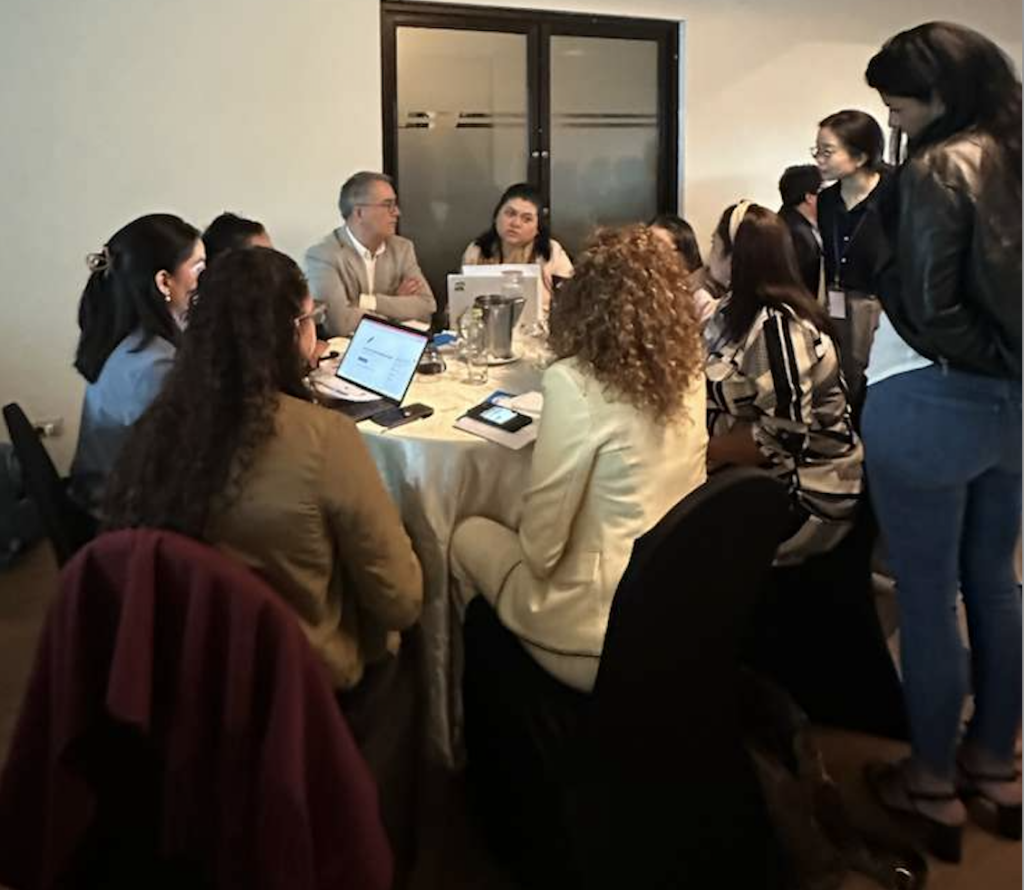
The World Café peer-learning session was highlighted as one of the most valuable parts of the workshop. Country representatives presented challenges and received practical recommendations from peers.
“The third session was where we presented our challenges, and the other countries gave us ideas on best practices. In this way, we can implement them in our country and improve the collection of data on children on the move.”
Chile’s inter-institutional coordination model, connecting ministries and the national statistical office, was cited as a promising example of collaboration and interoperability.
Launching regional communities of practice
The workshop created momentum for ongoing collaboration, with participants expressing strong interest in establishing a regional community of practice to share methodologies, provide peer feedback and maintain dialogue as countries implement IDAC guidance nationally.
The importance of cross-border collaboration, harmonized definitions and stronger regional monitoring of migration flows was highlighted, alongside the essential role of partnerships in institutionalizing data sharing and improving child protection outcomes.
Participant feedback
Post-workshop surveys reflected strong engagement and satisfaction:
- 94% found peer-learning sessions highly valuable
- 78% strongly agreed their knowledge improved
- 83% strongly agreed facilitation supported learning
- 100% agreed the content was useful for their work
Participants emphasized the workshop’s usefulness in strengthening technical capacity, regional cooperation and understanding of child-specific indicators.
Looking ahead
As the first workshop in a global series, the Latin America event demonstrated strong commitment to improving statistics on children on the move. It reinforced that sustainable progress depends on linking global guidance to practical national implementation, building institutional coordination and supporting regional collaboration.
Through strengthened capacities, peer exchange, and newly established communities of practice, IDAC’s regional workshops are helping the global community take concrete steps towards aligning data systems that speak to one another while being context-specific and responsive to countries’ needs, to ensure that children on the move are visible and better protected.
Stay tuned for updates on IDAC’s 2026 workshops in Africa and Asia!